

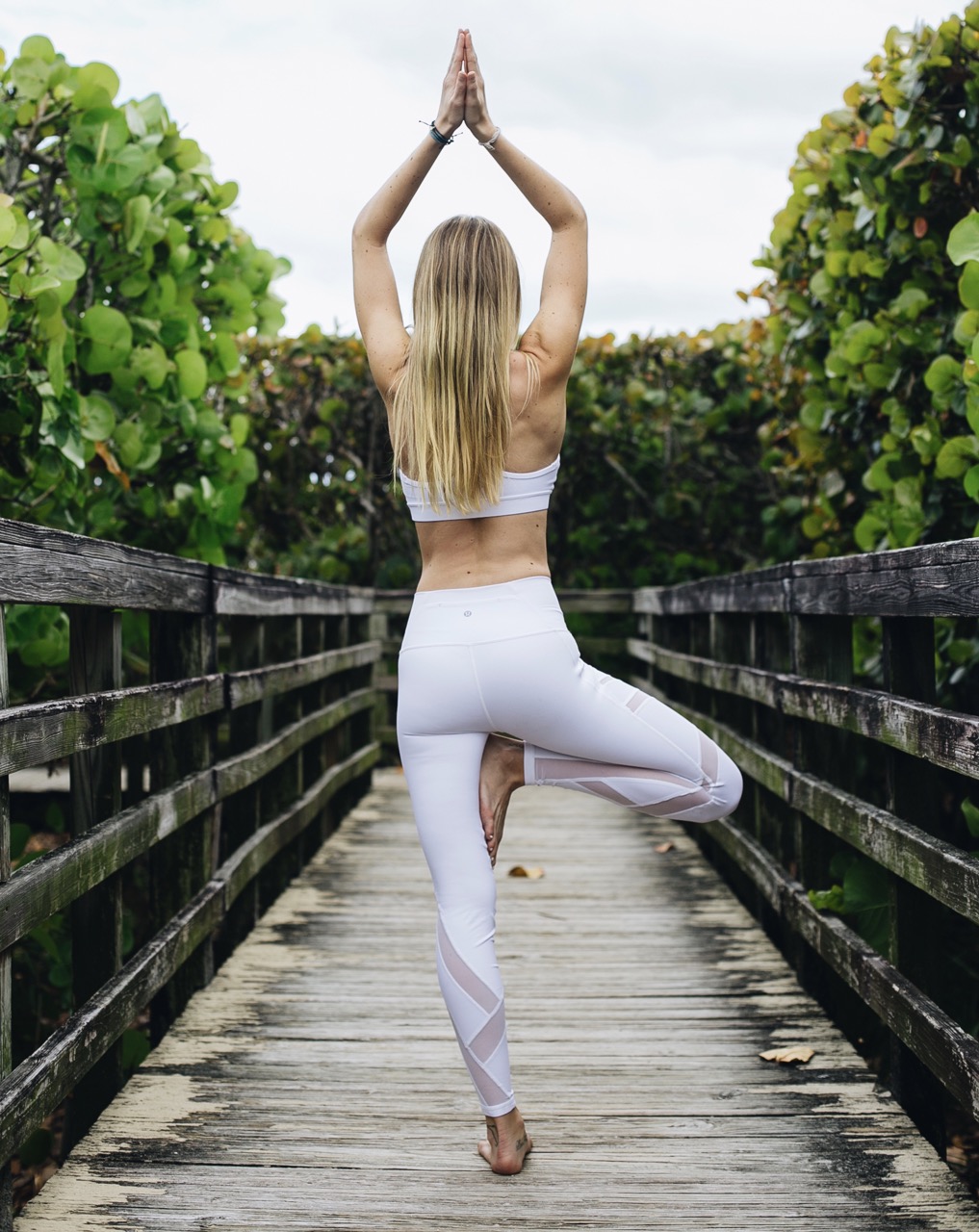

8 Limbs of Yoga
8 Limbs of Yoga
What is yoga? For many, this word is mostly associated with the physical postures often portrayed in all forms of media through history. Did you know that the physical practice of yoga is actually only 1/8 of the yoga journey? Though these movements have immense benefits for your mind, body, and spirit, the other seven practices of yoga are deeply impactful on the entirety of the human experience. All of them are pieces of a lifelong journey to yourself, so know that it is never too late to begin. Here’s my take on the eight limbs.
The first limb is the Yamas. In essence, these are moral guidelines that help us become more conscious of our thoughts, actions, and how we interact with the world around us. The Yamas include:
– Ahimsa: non-harming
– Satya: truthfulness
– Asteya: non-stealing
– Aparigraha: non-attachment
– Brahmacharya: energy conservation
The second limb of yoga is the Niyamas. These are self disciplines that impact your internal relationship with yourself. They include:
⁃ Saucha- cleanliness
– Santosha- contentment
– Tapas- self-discipline of internal fire Svadhyaya- self-study
– Ishvara pranidhana- surrender to spiritual path
Being mindful of and actively practicing the Yamas and Niyamas can fortify our individual character and integrity, as well as improve our relationships with others, our view of the world we live in, and our connection to ourselves.
Asana is the third limb and perhaps the most well-known of them all, the physical practice of yoga. This is what is primarily taught in most western (or maybe even worldwide) yoga classes. The poses. The strengthening, challenging, relaxing, restorative, and every posture in between that we do with our bodies is asana. This is often the gateway practice of yoga that opens the doors to all the others, and a dedicated asana practice can truly transform your life.
The fourth limb is Pranayama, which translates to breath control. Prana, or breath, is considered to be the life force and universal energy. By practicing awareness and control of the breath, you can truly impact the state of your entire being. I only practiced this limb lightly until going through a stressful pregnancy and even more challenging postpartum recovery, and I can’t adequately express how transformative it has become in my life to relieve anxiety and feelings of overwhelm.
Pratyahara, the fifth limb, is the withdrawal from one’s senses. This practice provides us the opportunity to turn inward, rather than being caught up in the constant distractions of the outside world and things not in our control. We begin to observe and be aware of our tendencies and habits, so that we can become positively responsible for our own growth and evolution through life.
The sixth limb of yoga is Dharana, which is concentration. We do practice concentration in all of the preceding limbs, but here we begin to tune into our thinking minds and learn to slow them down. The concentration practice can be a focus on a mantra, a sound, an image, or the breath. This prepares us for meditation.
Dhyana is the practice of meditation, and the seventh limb in the eightfold path. While this is a similar concept to Dharana, reaching Dhyana is an uninterrupted level of concentration, where the mind is able to be still without a specific focus or even thought, yet is fully conscious. All of the previous limbs prepare us to potentially reach this state.
Samadhi, the final stage and eighth limb, is enlightenment. Transcending of the self and becoming one with the universe. Complete bliss.
These explanations of the eight limbs are very simple, and are coming from a place of complete honor and respect for the traditions and religions and people where they originate. If the benefits of yoga have been of interest to you, there are many places to start your journey outside of and in addition to getting on a yoga mat. I have been practicing yoga for over a decade now, and truly only feel like I’m at the beginning of what will forever be a lifelong journey. I hope you’ll join me.
Namaste.
Christina
Related posts
Benefits of Vinyasa Yoga
The Benefits of Vinyasa Yoga Vinyasa yoga is a style of physical practice that focuses on connecting breath with flowing postures, or as they’re called in yoga, asanas. By linking breath and movement, vinyasa yoga helps practitioners to become more mindful and in tune with their bodies, while also developing physical strength and flexibility. Physical […]

4 Things for Your Yoga needs
Beginning a yoga practice can feel daunting. The exercise industry may lead you to believe that there is a list of required supplies before you can take your first class, but the beautiful truth is that the only actual needed materials for yoga are your body and your breath. Literally. However, there are a few […]

Post a comment